10 Hidden Problems With Paper Menus That Are Hurting Your Restaurant
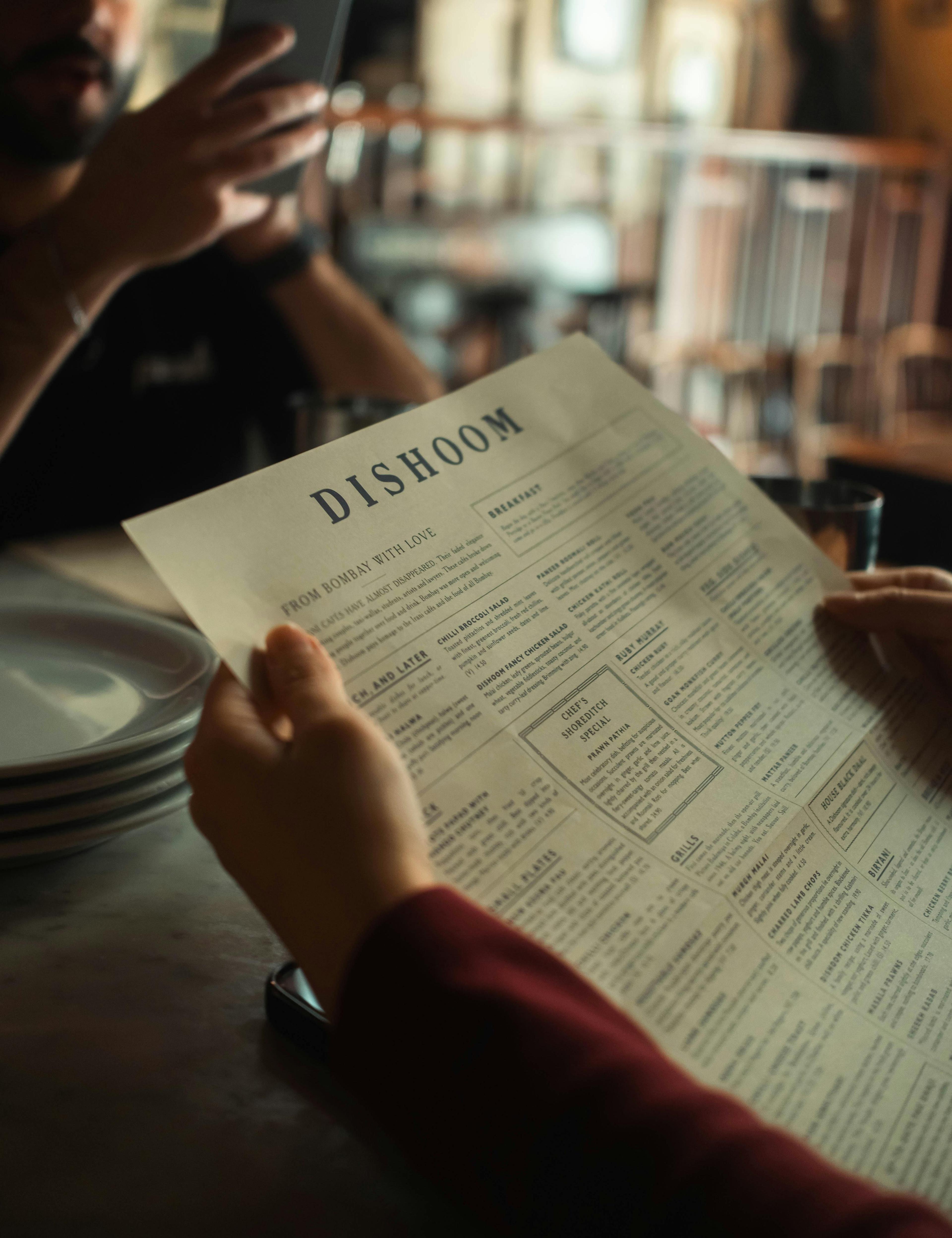
For over 300 years, paper menus have been the standard way restaurants present their offerings to customers. But in today's fast-paced, hygiene-conscious, and technology-driven world, those trusty printed menus are revealing some serious cracks. If you're still relying solely on traditional paper menus, here are the hidden problems that might be eating into your profits and customer satisfaction.
1. Hygiene Nightmares You Can't Ignore
Here's a fact that might make you cringe: restaurant menus are one of the dirtiest items on your tables. Research has shown that menus can harbor bacteria like E. coli and Staphylococcus aureus, with these pathogens surviving for 12 to 24 hours or more on menu surfaces.
Every time a customer handles your menu, they're potentially picking up—and leaving behind—bacteria. In a post-pandemic world where hygiene is top of mind for diners, this is a significant concern that can affect customer perception and even health outcomes.
2. The Printing Cost Trap
Think paper menus are cheap? Think again. Design agencies can charge up to $2,500 just to create menu designs, and printing costs can double that figure. Factor in seasonal changes, price adjustments, and regular wear-and-tear replacements, and you're looking at a significant annual expense.
Menu covers add another layer of expense, ranging from $10 to $50 per cover, and they need regular replacement due to the heavy handling they endure.
3. The Inflexibility Problem
Paper menus are static by nature. Want to adjust a price because your ingredient costs went up? That requires a complete reprint. Need to add a seasonal special or remove an item that's no longer available? Another reprint.
The typical turnaround time for menu updates is 3-7 business days from design to delivery. This inflexibility means many restaurants delay necessary updates, leading to outdated pricing that hurts profits or unavailable items that frustrate customers.
4. The Out-of-Stock Frustration
Few things disappoint customers more than choosing a dish from the menu only to be told it's unavailable. With paper menus, there's no way to update availability in real-time. Your options are limited to placing unsightly stickers over items or relying on staff to remember to inform every customer.
This creates awkward moments at the table, extends decision-making time, and can leave customers with a negative impression of your establishment's organization.
5. Physical Deterioration and Wear
Paper menus have a short lifespan in the demanding restaurant environment. Spilled drinks, food stains, greasy fingers, and general handling take their toll quickly. A menu that looked professional on day one can become an embarrassing, crumpled mess within weeks.
Even laminated menus aren't immune—they require regular cleaning, can crack along the seams, and still need replacement when they start looking worn. A grubby menu creates a poor first impression that can color a customer's entire dining experience.
6. Environmental Impact
The restaurant industry contributes an estimated 1.5 billion pounds of paper waste annually from receipts alone. Add menus to the equation—with the average restaurant updating and reprinting menus three times per year—and the environmental footprint grows substantially.
7. Zero Data and Insights
What items do customers look at but not order? Which dishes get the most attention? Are customers reading your specials section? With paper menus, you'll never know.
Traditional menus provide no analytics or real-time data about customer behavior. This means restaurateurs are essentially flying blind when it comes to understanding menu performance and making data-driven decisions about pricing, placement, and offerings.
8. Missed Upselling Opportunities
Paper menus can't dynamically highlight daily specials, suggest wine pairings, or recommend add-on items based on what a customer is viewing. While skilled servers can fill this gap, the menu itself remains a passive, static document.
9. The Specials Board Dilemma
To keep things fresh without constant reprinting, most restaurants create separate specials boards or inserts. This creates additional work—often 1-2 hours daily to print or write out specials on a chalkboard.
Worse, there's no way to know if customers actually noticed or read the specials. Some might miss them entirely, resulting in lost sales on items you specifically wanted to promote.
10. Multi-Location Consistency Challenges
For restaurants with multiple locations, paper menus create significant consistency challenges. Variations in print runs, paper stock, timing of deliveries, and staff using outdated versions can result in mismatched branding and pricing across locations.
Ensuring every location has identical, up-to-date menus requires constant coordination and adds another layer of operational complexity.
Paper vs. Digital: A Quick Comparison
| Feature | Classic Paper Menu | Digital/QR Menu |
|---|---|---|
| Update Speed | Days/Weeks (Reprints) | Instant (Real-time) |
| Upfront Cost | Low | High (Initial Tech) |
| Maintenance | High (Wear and Tear) | Low (Software Updates) |
| Hygiene | Low (Shared Surface) | High (Contactless) |
| Analytics | None | High (Click Tracking) |
As the table shows, while paper menus have the advantage of lower upfront costs, digital menus win on almost every other metric that matters for long-term success—speed, maintenance, hygiene, and data insights.
What's the Alternative?
Many restaurants are now adopting digital menu solutions—whether QR code menus, tablet-based ordering, or digital menu boards. These solutions address most of the problems listed above:
- Instant updates for prices, availability, and specials
- No printing costs or physical wear
- Hygiene benefits with contactless viewing
- Built-in analytics to understand customer behavior
- Environmental friendliness with zero paper waste
- Consistent experience across multiple locations
The Hybrid Approach
Not ready to go fully digital? Many restaurants are finding success with a hybrid approach—offering both paper menus for customers who prefer them and QR code access to digital menus for those who don't. This lets you maintain the tactile, traditional experience while gaining the benefits of digital flexibility.
The Bottom Line
Paper menus have served the restaurant industry well for centuries, but their limitations are becoming increasingly apparent in today's world. Between printing costs, hygiene concerns, inflexibility, and missed opportunities, traditional menus may be costing your restaurant more than you realize.
Whether you make a full switch to digital or adopt a hybrid approach, it's worth evaluating whether paper menus are truly serving your business—or holding it back.