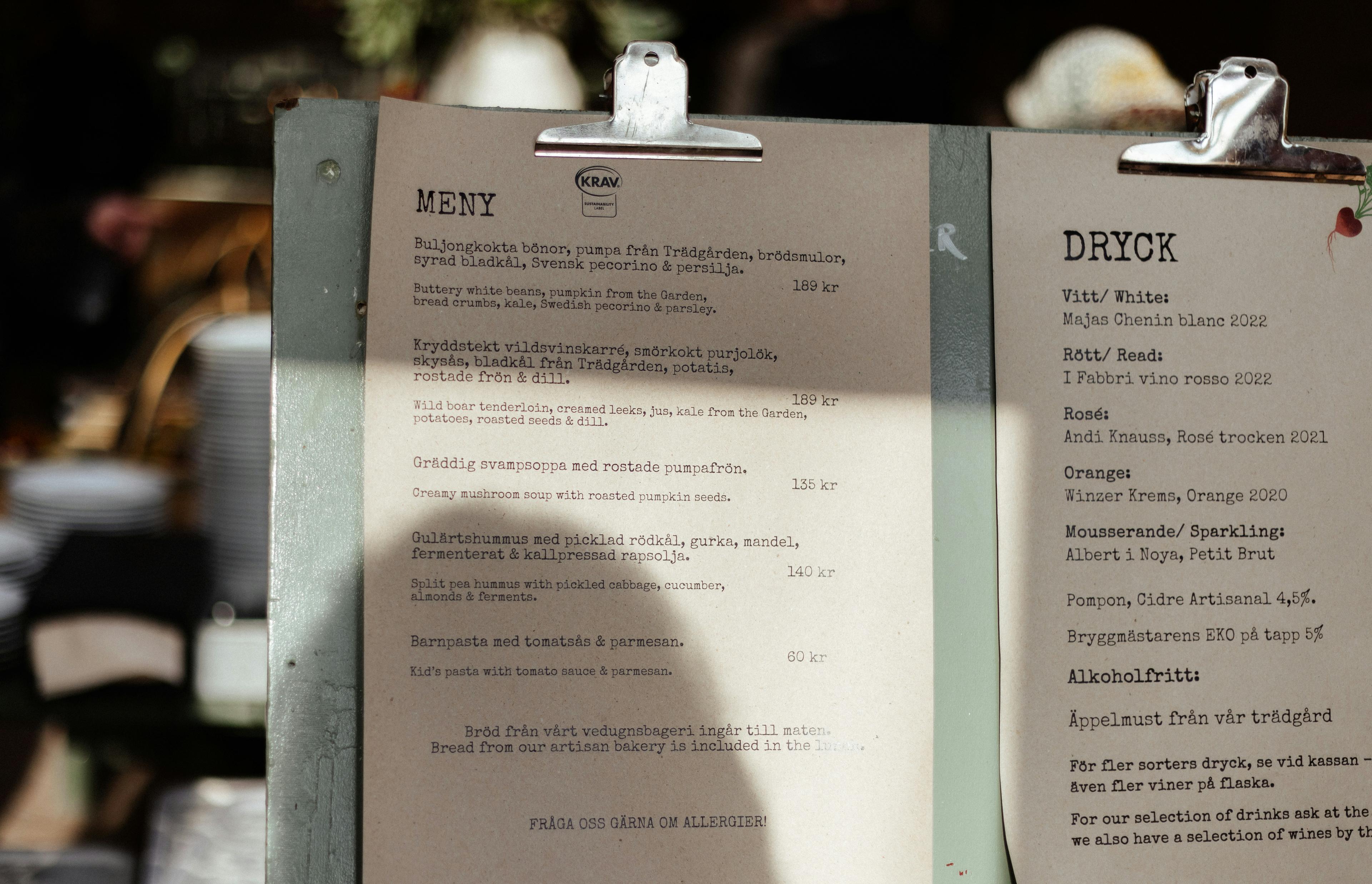
Digital Menu vs Paper Menu: A Complete Comparison
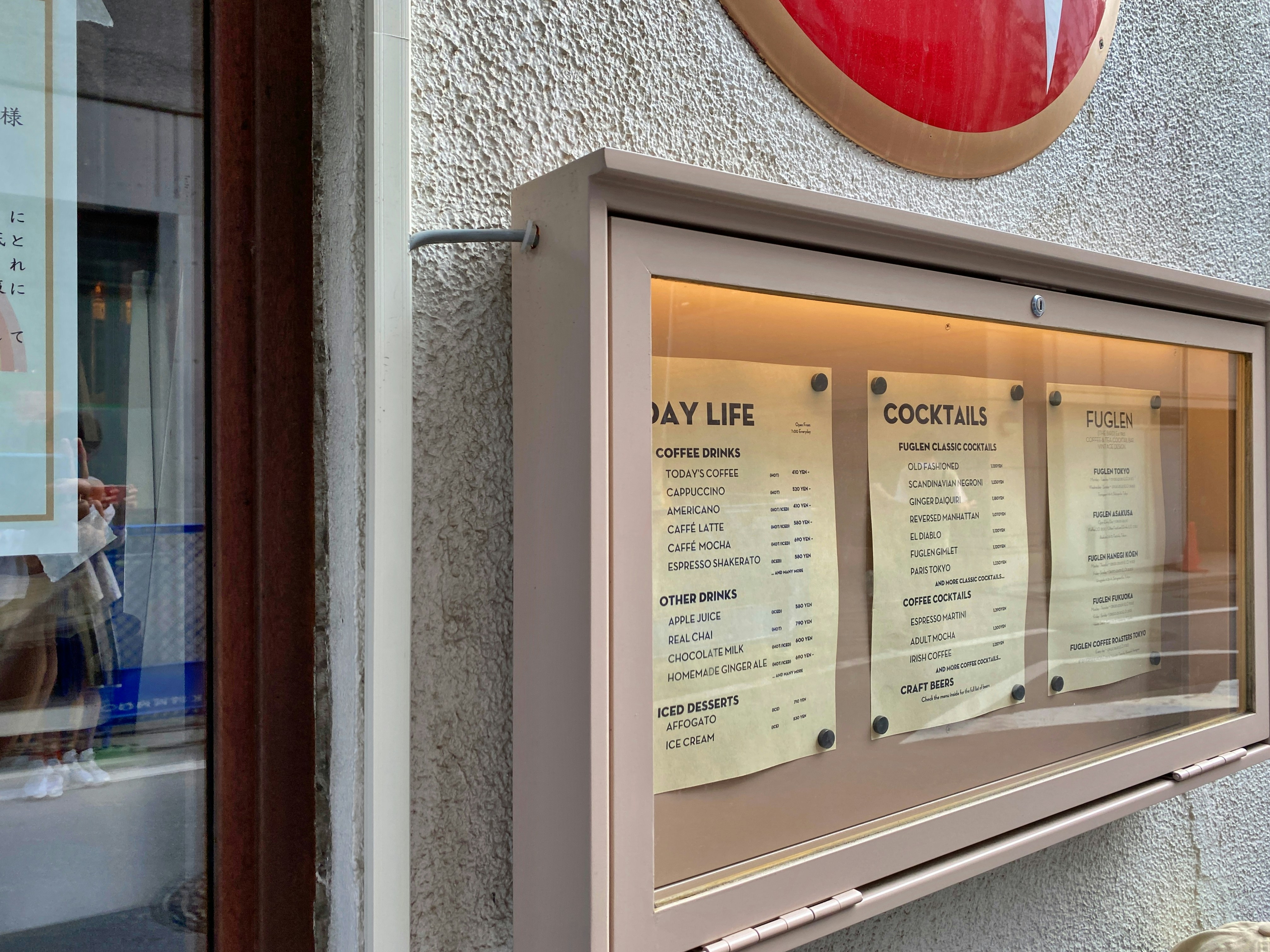
The debate between digital and paper menus isn't about one being universally better than the other—it's about finding what works best for your restaurant, your customers, and your operations. Let's break down the key differences to help you make an informed decision.
Cost Comparison
Paper Menu Costs
- Initial design: $200-$1,000 for professional design
- Printing: $5-$50 per menu depending on quality
- Reprints: 4-12 times per year for updates
- Replacement: Worn or damaged menus need regular replacement
- Annual total: Often $1,000-$5,000 or more
Digital Menu Costs
- Platform subscription: Free to $50/month depending on features
- QR code printing: One-time cost of $20-$100 for table displays
- Updates: Unlimited and included in subscription
- Annual total: $0-$600 depending on platform
Flexibility and Updates
This is where digital menus shine brightest. Need to update a price? It takes seconds. Want to add a daily special? Do it from your phone. Ran out of an ingredient? Mark items as unavailable instantly.
Paper menus require planning. Every change means a reprint, which costs money and time. Many restaurants delay updates to batch changes together, meaning customers sometimes see outdated information.
Customer Experience
Paper Menu Advantages
- Familiar format that all customers understand
- No technology required
- Can be a tactile, branded experience
- Works without phone battery or data
- Preferred by some older demographics
Digital Menu Advantages
- Always up-to-date information
- Rich media including photos and descriptions
- Easy filtering for dietary restrictions
- Multilingual options
- Searchable content
- Preferred by younger demographics
Hygiene Considerations
Paper menus pass through many hands throughout the day. While they can be cleaned or replaced, they remain a shared touchpoint. Digital menus eliminate this concern—customers use their own devices.
Environmental Impact
Paper menus contribute to paper waste, especially in restaurants that update frequently. Digital menus are inherently more sustainable, requiring only the one-time printing of QR code displays.
Operational Efficiency
Digital menus can improve service speed. Customers often start browsing before a server arrives, leading to faster ordering. For high-volume restaurants, this improved efficiency can meaningfully impact table turnover.
Paper menus, however, don't depend on technology infrastructure. There's no worry about website downtime, slow loading, or customers with dead phone batteries.
Brand Expression
Paper menus offer a tangible brand experience. The weight of the paper, the texture, the design—all contribute to your restaurant's ambiance. Fine dining establishments often use menus as part of their overall presentation.
Digital menus offer different branding opportunities through customization, photography, and interactive elements. They can feel modern and tech-forward, which aligns with certain restaurant concepts.
The Hybrid Approach
Many successful restaurants use both. They maintain a beautiful paper menu for those who prefer it while offering QR codes for customers who want the digital experience. This approach accommodates all preferences without forcing a choice.
Making Your Decision
Consider your restaurant type, customer demographics, and operational needs. A quick-service restaurant might benefit most from digital efficiency, while a high-end establishment might prioritize the tactile experience of paper.
The trend is clearly moving toward digital, with most industry experts predicting continued growth in QR code menu adoption. Starting with a digital option now positions your restaurant for the future while you maintain paper menus for those who prefer them.