Restaurant Menu Design Tips: 12 Ways to Create Menus That Sell
Your menu is more than a list of dishes—it's a sales tool. Strategic menu design can influence what customers order, increase average check sizes, and highlight your most profitable items. Here are twelve proven techniques to create menus that sell.
1. Understand the Golden Triangle
Eye-tracking studies show that readers scan menus in a predictable pattern. On a single-page menu, eyes typically start in the middle, move to the top right, then the top left. This is called the Golden Triangle. Place your most profitable items in these high-visibility zones.
2. Use Strategic Item Placement
The first and last items in each category get the most attention. Feature high-margin dishes in these prime positions. Customers are more likely to remember and order items at the beginning or end of a list.
3. Write Descriptive Menu Copy
Descriptive labels increase sales. Instead of 'Grilled Salmon,' try 'Wild-Caught Pacific Salmon, herb-crusted and grilled over applewood.' Sensory words like 'crispy,' 'tender,' 'zesty,' and 'rich' trigger appetite and emotional responses.
- Use sensory words that evoke taste and texture
- Mention cooking techniques and preparation methods
- Highlight premium ingredients and sourcing
- Include origin stories for signature dishes
- Keep descriptions concise—two lines maximum
4. Remove Currency Symbols
Research from Cornell University shows that removing dollar signs from prices can increase spending. The symbol reminds customers they're spending money. Simply list the number (24 instead of $24) for a more subtle presentation.
5. Avoid Price Columns
When prices align in a column, customers can easily compare and may choose the cheapest option. Placing prices at the end of each description, in the same font size, discourages price-based decision-making.
6. Use Decoy Pricing
Including a high-priced item makes other items seem more reasonable by comparison. A premium steak at $85 makes a $45 dish feel like a good value. This psychological principle, called price anchoring, subtly influences perception.
7. Highlight Signature Items
Use visual cues to draw attention to dishes you want to sell. Boxes, icons, or different typography can make certain items stand out. But use these techniques sparingly—if everything is highlighted, nothing is.
8. Organize Categories Thoughtfully
Limit categories to 5-7 items each. Too many choices lead to decision fatigue and slower ordering. If a category has more than seven items, consider splitting it into subcategories.
9. Use High-Quality Photography Wisely
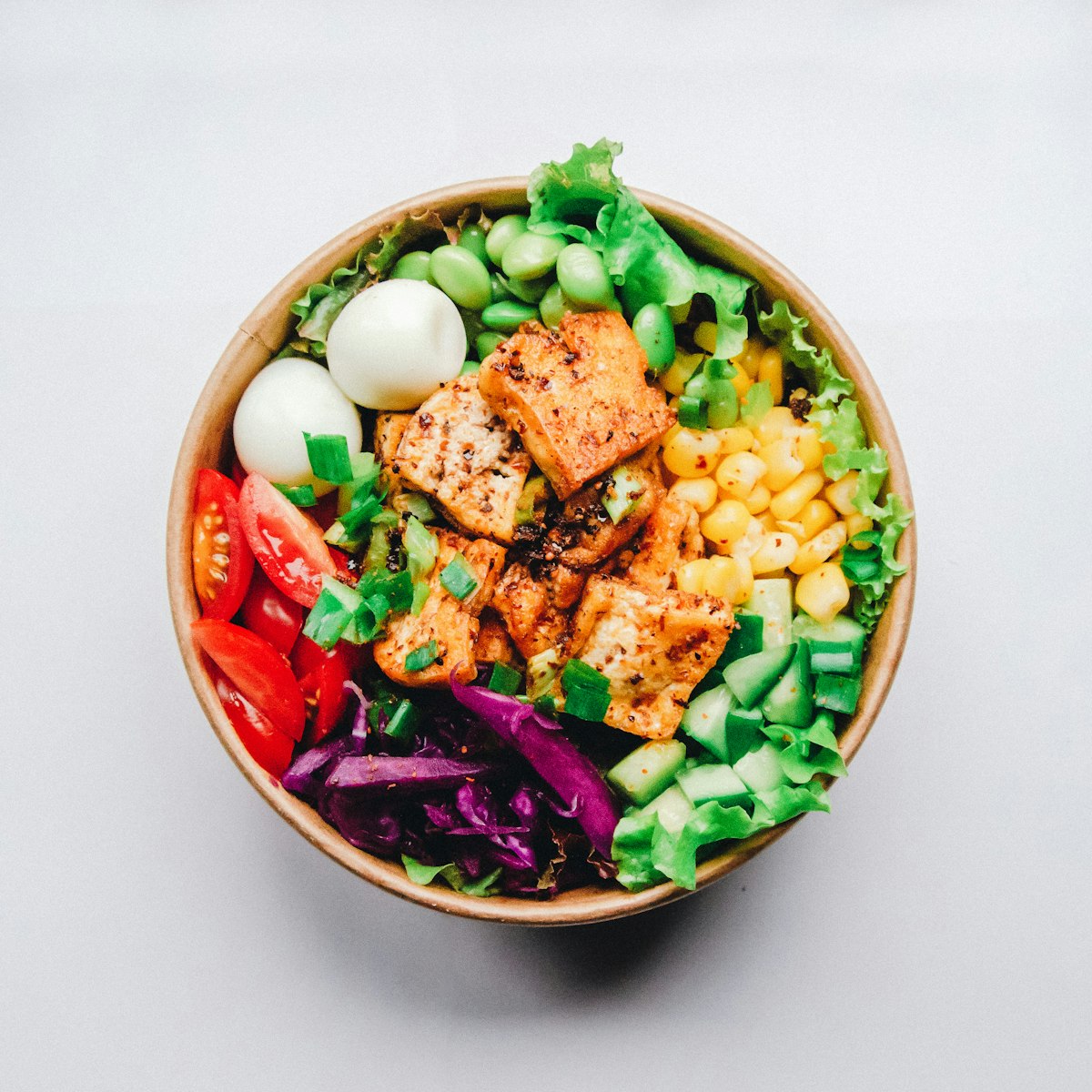
Photos can increase sales of featured items by up to 30%. However, quality matters tremendously. Poor photos hurt more than help. If you use photos, invest in professional food photography and use images selectively for maximum impact.
10. Include Dietary Information
Clear labeling for vegetarian, vegan, gluten-free, and other dietary options helps customers find suitable choices quickly. Use simple icons rather than lengthy explanations to keep the design clean.
11. Design for Readability
- Use legible fonts—avoid overly decorative typefaces
- Ensure sufficient contrast between text and background
- Include adequate white space to prevent visual overwhelm
- Consider lighting conditions where the menu will be read
- Test readability with different age groups
12. Keep It Consistent with Your Brand
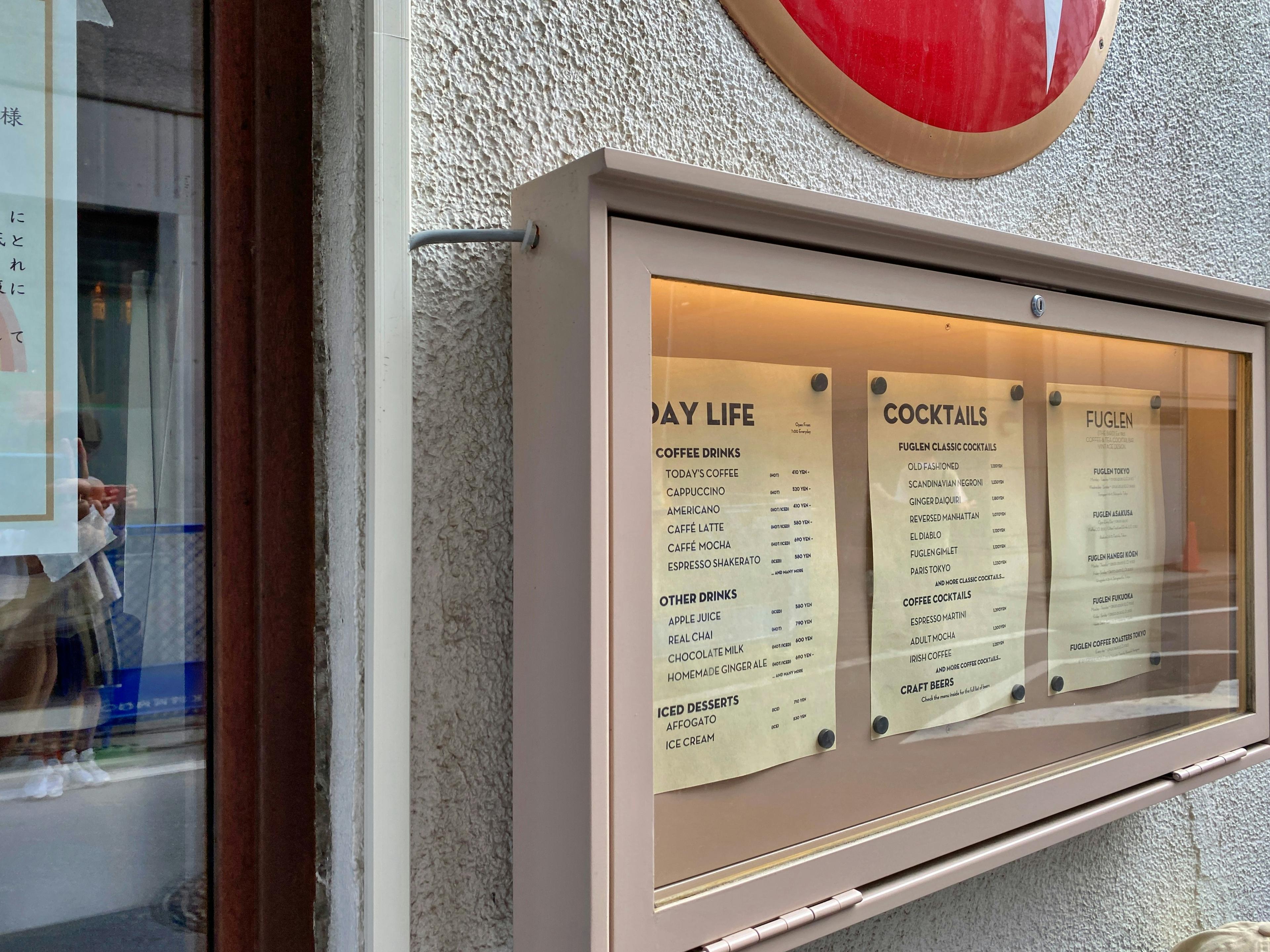
Your menu should feel like a natural extension of your restaurant's identity. Colors, fonts, and overall aesthetic should align with your brand. A casual taco spot and a fine dining establishment need very different menu designs.
Applying These Principles to Digital Menus
These design principles apply to digital menus too, with some adaptations. Digital menus offer additional opportunities like search functionality, filtering by dietary needs, and unlimited space for descriptions and photos. The scrolling behavior on mobile means top-of-screen items get more attention—structure your digital menu accordingly.
Great menu design balances aesthetics with psychology. By understanding how customers read and respond to menus, you can create a menu that enhances the dining experience while supporting your business goals.